Cute Grapes: A Craft Fair-Ready Embroidery Design
First Impression: Sweet, Approachable, and Instantly Recognizable
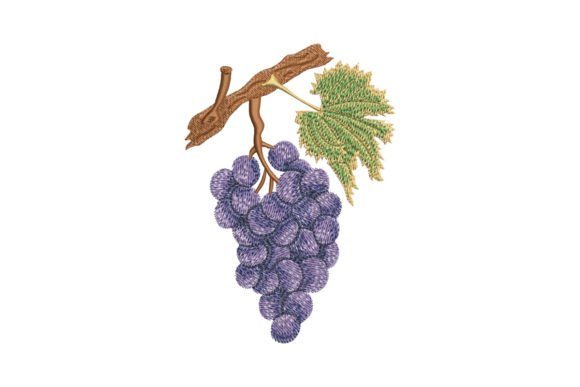
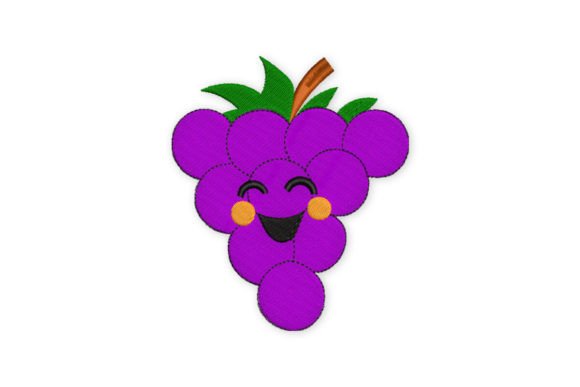
As an embroidery designer who’s prepped over 200 craft fair booths in the past decade, my first glance at Cute Grapes tells me everything I need to know before even loading the file: this is a joyful, high-appeal food-themed machine embroidery design that leans into charm—not realism. “Adorable, plump grapes with rich purples and greens” isn’t just descriptive—it’s a mood. It reads as modern-cute with a gentle farmhouse whisper, not overly whimsical or cartoonish, and definitely not clinical or minimalist. That balance is gold for handmade markets where shoppers want personality *and* polish.
Where Cute Grapes Shines on Real Craft Fair Products
In my booth setup—featuring embroidered tote bags, aprons, tea towels, patches, fabric pouches, pillow covers, and market totes—Cute Grapes performs strongest when it’s the friendly face of functional items. On a natural linen tea towel? It pops without shouting. On a black cotton tote bag? The purple-green contrast delivers instant visual warmth. As an embroidered patch sewn onto a denim apron pocket? It adds handmade character in under three seconds of customer attention.
It’s less effective as a standalone focal point on large pillow covers (unless scaled up thoughtfully) or on curved cap surfaces—grape clusters with tight vine details can blur if hooping isn’t precise. But as a small accent near a hemline, corner, or strap? Absolutely winning. For Etsy sellers, Cute Grapes works beautifully in printable mockups—its color story photographs cleanly, and its shape reads well even in thumbnail size. That’s critical for scroll-stopping listings.
Production Practicality: Fast, Flexible, and Batch-Friendly
One of the quiet superpowers of Cute Grapes is its scalability. It reads clearly at 2.5”, holds charm at 4.5”, and avoids fussy micro-details that bog down commercial embroidery. No tiny lettering, no fragile stem filigree, no nested outlines that trap thread. That means faster hooping, fewer restarts, and consistent results across dozens of tote bags or tea towels—ideal for small shop product runs.
The stitch density feels balanced—not so light it looks thin on textured towels, not so heavy it balloons on lightweight chambray. That said, always test the embroidery file on your exact fabric: dense terry cloth towels may require cutaway + tear-away stabilizer combo; dark fabrics demand high-contrast thread colors (think lime green vine against deep plum grapes); and curved surfaces like caps benefit from basting spray and re-hooping checks.
Design Nuances That Impact Real-World Sales
What makes Cute Grapes a craft fair standout isn’t just cuteness—it’s context. In a sea of florals and monograms, a well-executed food-themed machine embroidery design signals approachability, nostalgia, and everyday joy. Shoppers pause longer for edible motifs—they smile, they remember their grandmother’s grape jelly, they imagine gifting it. That emotional hook lifts perceived value: a $28 embroidered market bag with Cute Grapes feels more intentional—and more giftable—than one with generic foliage.
For boutique makers building brand consistency, Cute Grapes pairs effortlessly with complementary food-themed designs (think strawberries, lemons, or honeybees), letting you create cohesive collections without visual fatigue. And because it’s inherently decorative yet functional, it strengthens booth display strength: group three tea towels—one with Cute Grapes, one with matching green vines, one with a tiny grape cluster motif—and you’ve built rhythm, repetition, and visual storytelling.
Careful-Use Notes Every Embroiderer Should Know
- Dense stitch areas: The grape cluster core may compress on thick or napped fabrics—test stitch density on scrap before full production.
- Tiny details: While not overly intricate, the vine tendrils and leaf veins shrink below 2” — avoid scaling smaller than recommended for clear definition.
- Textured towels: Terry cloth absorbs detail—use medium-weight cutaway stabilizer and reduce top tension slightly for cleaner grape outlines.
- Dark fabric: Rich purple thread can mute on black or navy—opt for slightly brighter violet or add white underlay for pop.
- Curved surfaces: Caps and pouches need precise hooping and possibly repositioning mid-stitch—don’t assume the default hoop size fits every application.
Pro Designer Checklist Before You Sell
- Test the embroidery file on your most common fabric + stabilizer combo—not just once, but twice.
- Check thread contrast: lay actual thread spools beside your fabric swatch under booth lighting.
- Review spacing between grapes and vines—tight crowding can cause thread nesting on slower machines.
- Confirm hoop size compatibility with your primary embroidery machine—some grape clusters need 5x7” minimum.
- Inspect stitch density visually and by touch—does it feel substantial, not scratchy or stiff?
- Use the right stabilizer: tear-away for stable cottons, cutaway for knits or stretchy blends.
- Create at least one real mockup—not digital—so you see how light hits the stitches in person.
- Compare fabric colors side-by-side: does the green vine read as fresh or muddy next to your apron linen?
- Verify commercial licensing status—this is a non-negotiable for Etsy sellers and wholesale craft fair product lines.
Final Thought: Cute Grapes Is More Than a Design—It’s a Conversation Starter
In the rush of a Saturday craft fair, Cute Grapes doesn’t shout—but it lingers. It invites touch, sparks memory, and quietly says, “This was made with care.” For embroidery business owners, handmade shop owners, and creative entrepreneurs, it’s not just another food-themed embroidery file. It’s a reliable, emotionally resonant, production-smart asset that converts booth traffic into sales, builds repeat customers through charm and consistency, and reinforces the handmade quality that buyers pay a premium to support. Whether stitched on a tea towel for a kitchen boutique or digitized into a limited-run embroidered patch for a local wine shop collab, Cute Grapes earns its place—not as filler, but as a favorite.