Autumn’s Cozy Canopy Umbrella
A Line Art Design That Breathes Quiet Autumn Air
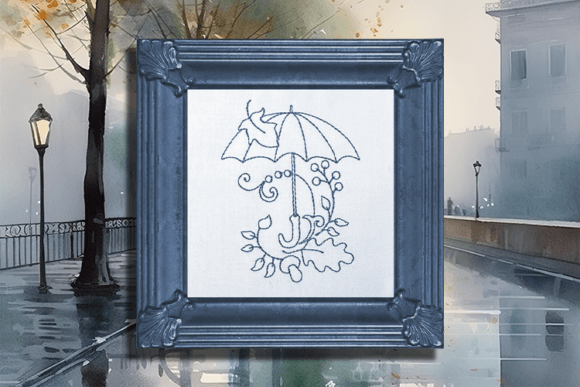
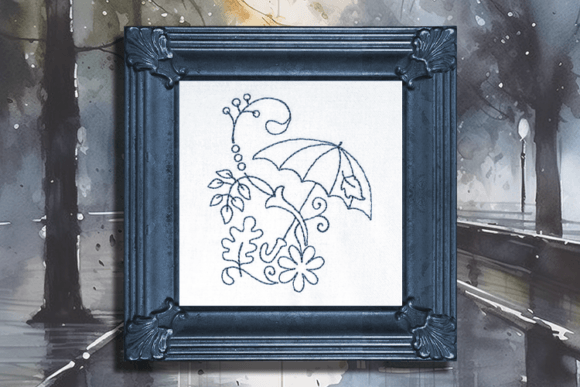
First glance at Autumn’s Cozy Canopy Umbrella feels like stepping into a sun-dappled October afternoon—soft, unhurried, and full of gentle intention. This isn’t a busy seasonal motif packed with pumpkins and leaves; it’s a single, confident line drawing: an umbrella held open against a quiet sky, its canopy suggesting shelter, warmth, and the subtle drama of falling light. As a designer who’s stitched hundreds of autumn-themed pieces for clients and my own craft business, I appreciate how much restraint this design shows. The clean line work avoids visual clutter while still carrying unmistakable seasonal resonance—ideal for makers who want elegance over excess.
Where It Lives Best: Real Projects, Real Customers
I recently tested Autumn’s Cozy Canopy Umbrella on a natural linen tote bag destined for a local boutique’s holiday launch. The result? Instant cohesion. The line art translated beautifully into a crisp, modern embroidery file that read clearly from three feet away—no fill stitch muddiness, no satin stitch glare. It worked equally well on a lightweight cotton sweatshirt (with tear-away stabilizer) and as a small embroidered patch sewn onto a denim apron. For Etsy sellers or small shop owners, this design fits seamlessly into curated collections: think personalized baby blankets (stitched in soft pastel thread), kitchen tea towels (where simplicity reads cleanly against stripes or gingham), or even minimalist pillow covers for a cozy nursery. Its charm lies in what it doesn’t say—leaving room for the customer’s imagination, not competing with fabric texture or garment shape.
What Makes It Work for Custom Apparel & Handmade Goods
- Scalability without sacrifice: Because it’s line art—not dense fill or intricate applique—it holds up when resized between 3” and 5” hoop sizes. I ran it at 4.2” on a curved cap brim and it retained legibility (though I recommend testing on scrap first—caps demand precise digitizing).
- Thread color flexibility: Whether stitched in charcoal grey on oatmeal canvas or warm terracotta on navy cotton, the outline stays expressive. No need to match exact Pantones—this design invites intuitive color choices.
- Low stitch density: Fewer stitches mean faster runs, less thread breakage, and gentler wear on fabrics like thin cotton or delicate baby knits. That matters when you’re producing five custom sweatshirts before a craft fair.
- Brand-friendly minimalism: Small businesses building a recognizable aesthetic—think handmade soap labels, café aprons, or boutique gift tags—can use Autumn’s Cozy Canopy Umbrella as a subtle signature motif, not a loud statement.
Where to Pause—and Why
This design shines brightest where clarity and calm are valued. But like any thoughtful tool, it has boundaries worth honoring. On highly textured fabrics—like bouclé knit or heavy burlap—the fine line can disappear unless you adjust stabilizer weight or slightly increase stitch width in your editing software. On stretchy fabrics (ribbed knits, jersey), test hooping tension carefully: too loose, and the line wobbles; too tight, and the fabric puckers around the umbrella’s curve. And while it reads beautifully on light and medium fabrics, avoid using it alone on very dark backgrounds without a subtle underlay or light-thread contrast check—some machines drop fine running stitch detail on black or deep forest green without reinforcement.
Design Decisions That Shape Customer Trust
When a customer orders a personalized gift—a baby onesie, a holiday tote, a wedding weekend towel—they’re buying feeling, not just stitching. Autumn’s Cozy Canopy Umbrella delivers that quietly. Its simplicity signals care and intention, not haste. That builds trust. Buyers notice when a design feels *designed*, not dropped in. It also supports professionalism: whether you’re listing it as a digital embroidery file on Etsy or stitching it onto wholesale aprons, the consistent line quality helps maintain brand consistency across product lines. And because it avoids cliché (no cartoon squirrels, no oversized acorns), it feels timeless—not dated by next season’s trend cycle.
Practical Designer Notes Before You Stitch
- Always run a test on scrap fabric matching your final project’s weight and weave—especially for baby embroidery or custom apparel where fit and feel matter.
- Check how the line reads in both black-and-white and color mockups. Does it hold presence against your intended background?
- Review stitch direction if placing near seams or curved edges—line art flows better when aligned with garment grain or natural contours.
- Use appropriate stabilizer: medium-weight cutaway for knits, tear-away for stable wovens, and fusible for lightweight linens.
- Confirm licensing terms before selling finished products or bundling the embroidery file with other design assets—commercial embroidery requires clear usage rights.
- Pair it thoughtfully: this design stands alone well, but also layers gracefully beneath a simple monogram or beside a short handwritten phrase (“October Days”, “Under This Sky”) in a complementary font.
Final Thought: A Design That Serves the Maker
Autumn’s Cozy Canopy Umbrella doesn’t shout. It settles in—calm, considered, and ready to elevate everyday handmade products. For embroidery designers, Etsy sellers, and small shop owners, it’s a rare kind of utility: flexible enough for quick production runs, distinctive enough for signature branding, and quiet enough to let the craftsmanship—and the customer—take center stage. It’s the kind of machine embroidery design that reminds you why you started stitching in the first place: to make things that feel true.